Quick games for a five-minute work break
Updated · 5 min read
A good break game is small. It opens fast, it is quiet, it asks enough of your brain to pull you out of the spreadsheet, and then it ends on its own, so five minutes stays five minutes. Here are the games we reach for on a short break, grouped by what kind of reset you need, plus a few ways to keep the break from swallowing the afternoon.
What makes a good work-break game
- A natural stopping point. A daily puzzle, a single hand or one arcade run ends by itself. Games without an end are the ones that eat a lunch hour.
- Nothing to install. Every game here runs in a browser tab: open the page and play, close the tab when you are done.
- No sign-up for solo play. Solo games, the daily puzzles and games against the computer start with one tap, no account needed.
- Quiet by default, if you want it. Press Esc (or tap the menu button) in any game to pause, and the Sound tab turns the site's sound off or down.
- Easy to put down. Pausing is one key, and the solo games keep your stats and streaks in your browser for next time.
One-and-done daily puzzles
If you only have a few minutes, a daily puzzle is the best fit. There is one a day, everybody gets the same one, and when it is solved, it is solved. No temptation to play just one more.
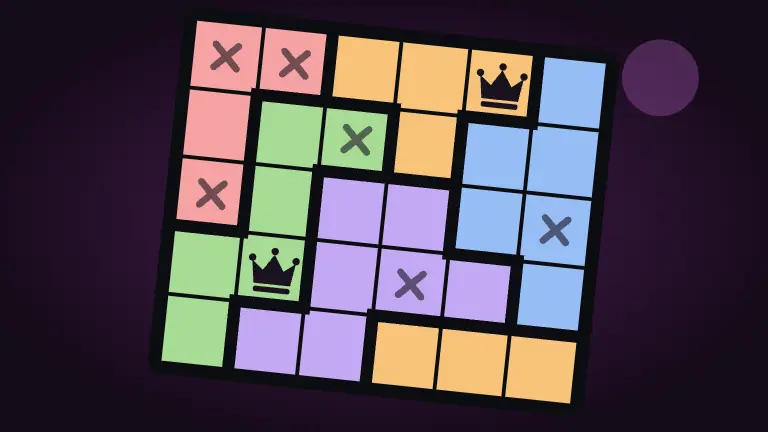
- Queens Court: place one queen in every row, column and color region, with no two touching. Most days it is a two- or three-minute logic puzzle with a satisfying finish.
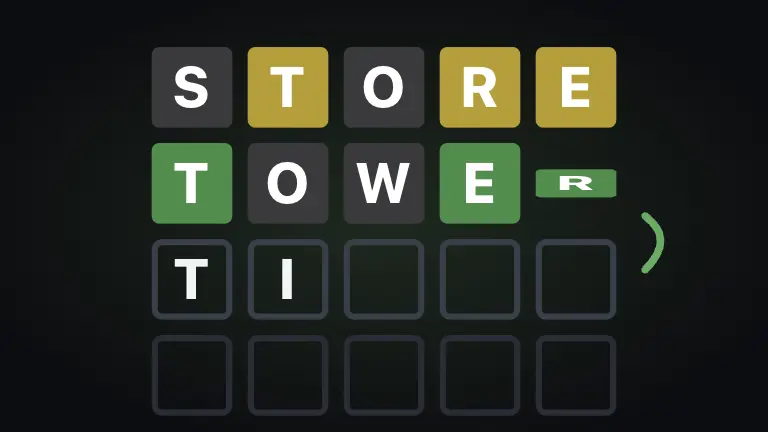
- Five Letters: one secret word and six guesses. A good one for the start of a break, because the clues make you think about something other than work.
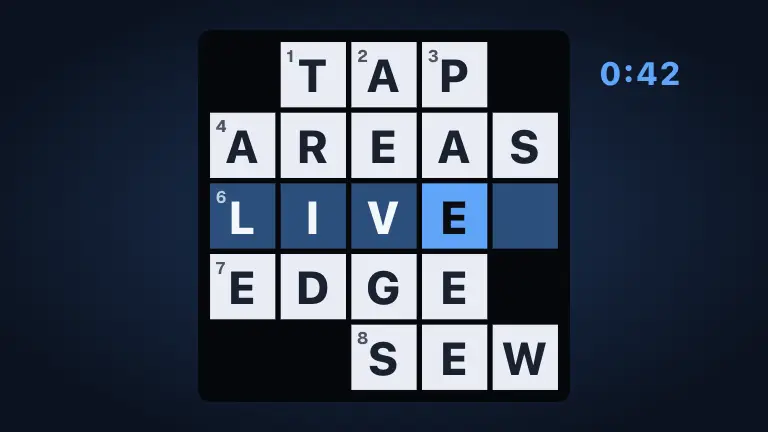
- Mini Cross: a pocket-size crossword with a timer. Small enough to finish while the kettle boils.
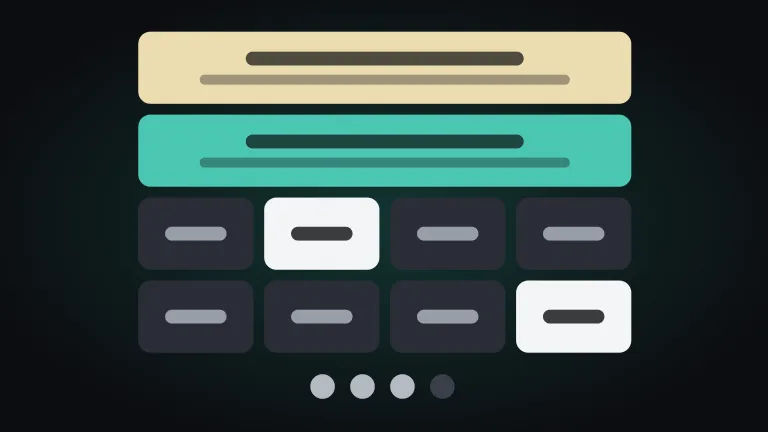
- Four Groups: sixteen words, four hidden groups, four mistakes allowed. A little longer, and better shared with the team chat afterwards.
For the full list of dailies and how the streaks work, see Daily word and logic puzzles worth keeping a streak for.
A quick hand of cards
Card games are the classic desk break for a reason: the rules are already in your head, and a hand is short. These play solo, against the deck or the computer.
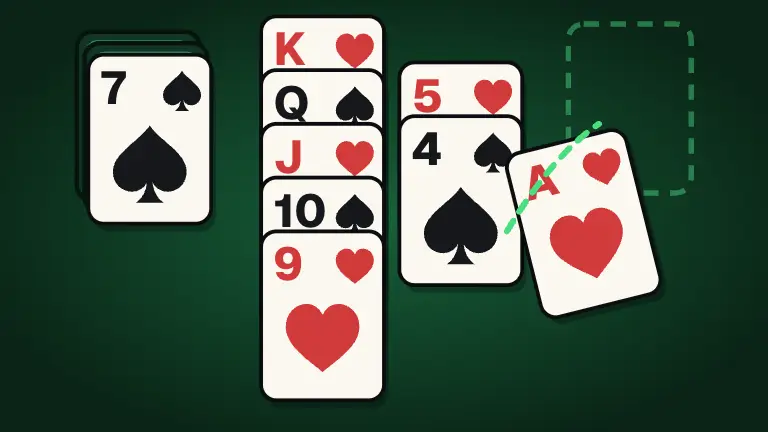
- Solitaire: three solitaires in one, with a winnable Daily Deal. Undo anything, so a wrong click never costs you the game.
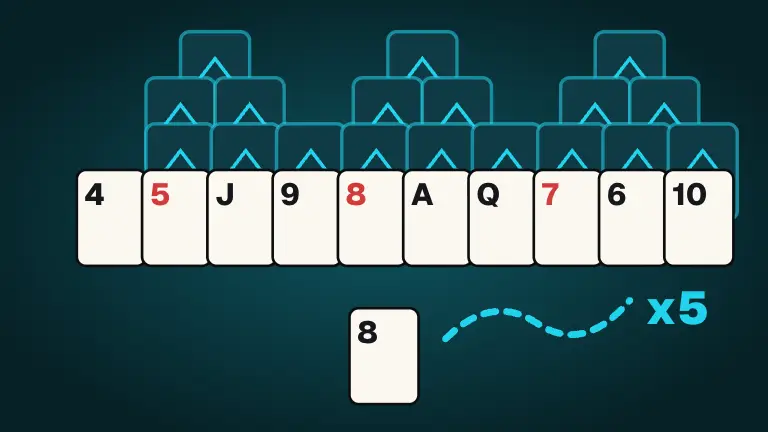
- TriPeaks: clear three peaks one card higher or lower at a time. Fast, light and very easy to stop after one deal.
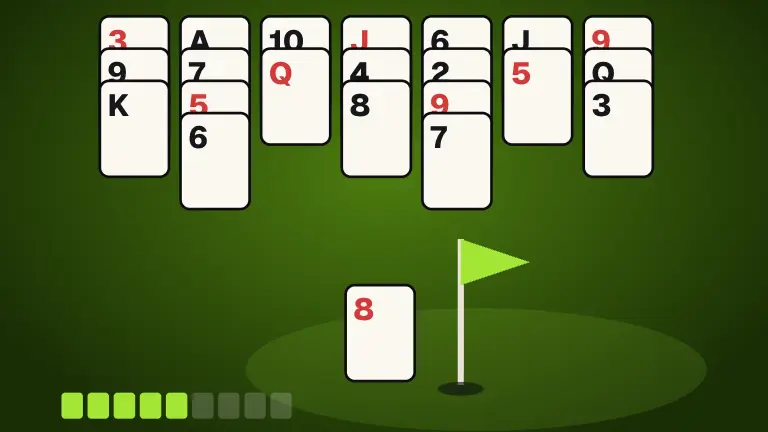
- Golf Solitaire: clear seven columns in as few strokes as you can, with a nine-hole Daily Course if you want a longer round.
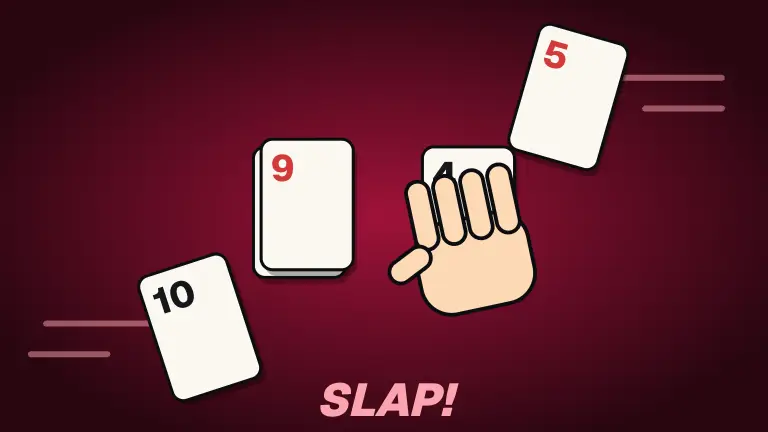
- Spit: race the computer to empty your cards onto the center piles. No turns, just speed, and a game is over quickly.
For a deeper look at every solitaire on the site, see Free online solitaire: which one to play and how to win.
Short arcade rounds
Sometimes you do not want to think at all; you want your hands busy for a minute. Arcade games with a single life are perfect for that, because every run has a clear end.


- Tower Stack: tap to drop each slab on the tower; whatever hangs over is sliced off. One run, one score.
- Flap Happy: tap to flap a little bird through the gaps. One touch and it is over, which keeps the break honest.
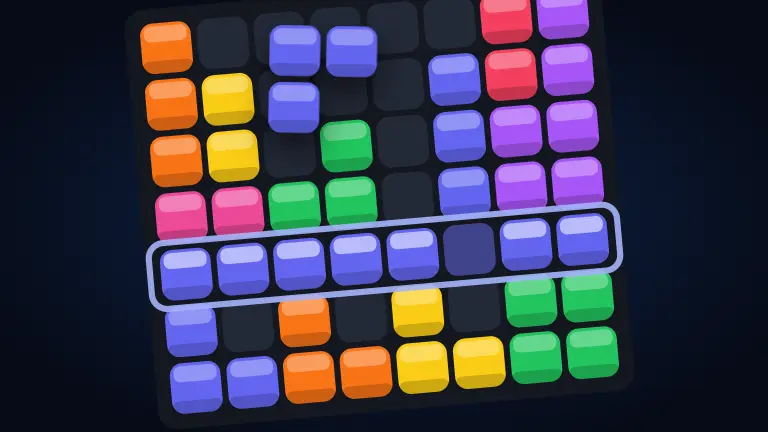
- Block Fit: drop the three pieces you are dealt onto the grid and clear rows and columns. Calm, with no clock.
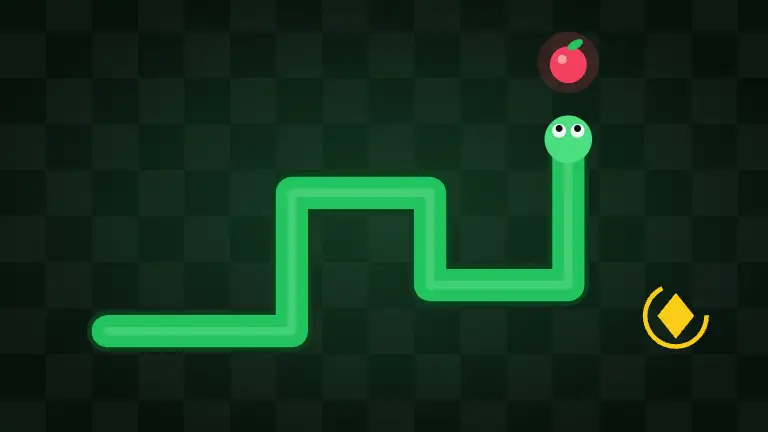
- Snake: eat, grow, and do not bite your own tail. Three speeds, and the arrow keys or a swipe to steer.
A mental reset
If the problem is that your head is full, a short focused puzzle can work better than scrolling. These are built for a few minutes of real concentration:
- Brain Gym: five one-minute drills for speed, memory, math and focus, adding up to one daily score.
- Chess Puzzles: find the winning move. One puzzle of the day, plus three more from easy to hard.
- Sudoku: four difficulties every day. The easy grid fits a short break; save the hard one for lunch.
- Mine Field: clear the field without touching a mine. The numbers tell you everything, and a board is a tidy logic workout.
There are more in Two-minute brain games for a quick mental reset.
Play a colleague
A break is better with company. Two-player classics are short and need almost no explanation: one of you taps Create a Game, sends the invite link, and the other joins from their own desk. Playing with other people needs a free player for each of you: a username and a PIN or password, made in a minute.
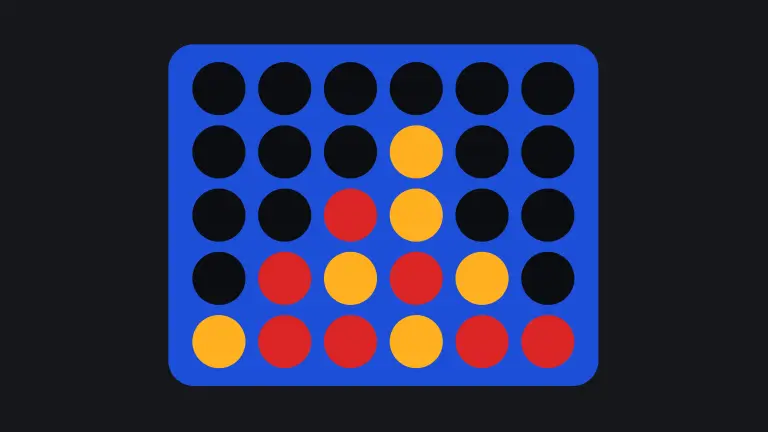
- Drop Four: line up four before your opponent does. A game takes a few minutes.
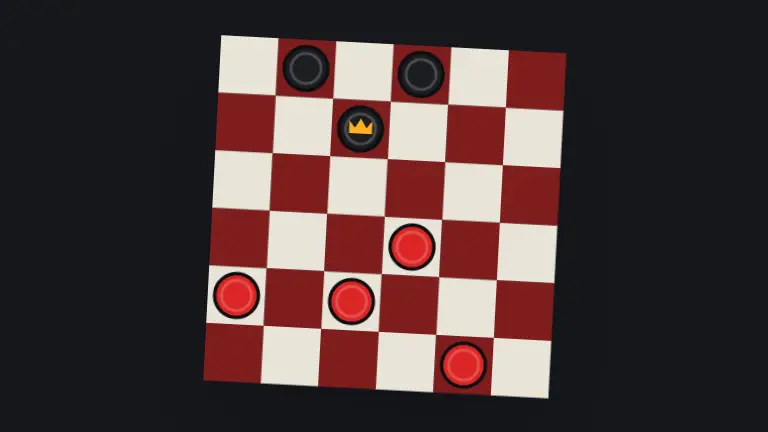
- Checkers: mandatory jumps and kings in the back row. Short, and surprisingly sharp.
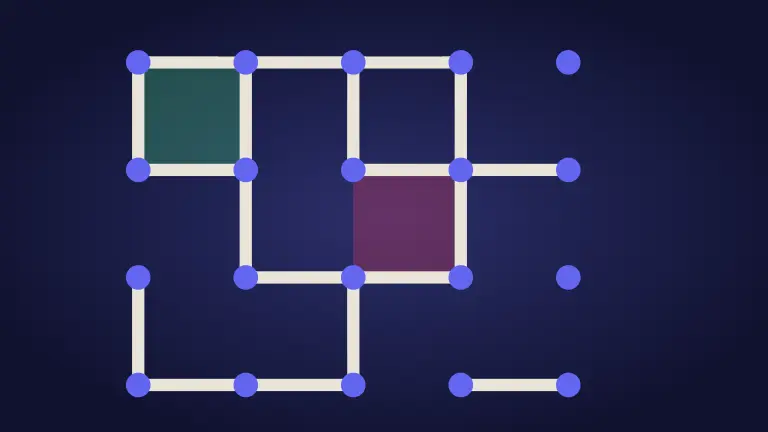
- Dots and Boxes: draw a line, complete a box, go again. Two to four players.
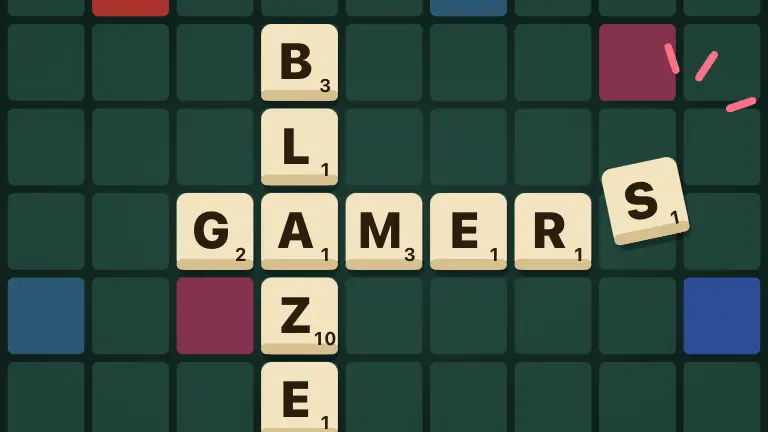
- Word Tiles: a word game you can leave open and come back to when it is your turn.
For a bigger group on a team call, see Online games to play with coworkers on a video call.
Keep the break a break
- Pick the game before you open the tab. Deciding what to play is where breaks go long.
- Choose games that end: a daily, a single hand, a single run. Leave the endless ones for the evening.
- Set a timer on your phone or computer, and stop when it goes, even mid-game. Esc pauses everything.
- Keep the sound off at your desk. It is one switch on the pause menu's Sound tab, and it stays off across the site.
- Know your workplace's rules. Plenty of teams are relaxed about a puzzle on a break; some networks and policies are not. Play where it is allowed, on your own time.
Three five-minute menus
- The thinker: Queens Court, then one Chess Puzzles.
- The word person: Five Letters, then Mini Cross.
- The empty-head break: one deal of TriPeaks, then a single run of Tower Stack.
Each of these takes about five minutes and ends on its own. Bookmark the one you like, and the next break is one click away.