Classroom-friendly games for free time
Updated · 4 min read
Free time at school is short, and the right game for it is quiet, quick to start, easy to put away when the bell goes, and ideally makes you think a little. This guide is for high-school students with a few spare minutes and for teachers looking for something worthwhile to put in front of a class. One note before the list: Knockout is for people 13 and older, and your school's rules come first. If your teacher says not now, it is not now.
What makes a game classroom-friendly
- Quiet. Every game can be muted from the pause menu (Esc, or the menu button), and most of the games below are silent puzzles anyway.
- Solo. The games here are played alone, so there is no chat with strangers and nobody else to wait for.
- Short, with an end. A daily puzzle or a single round finishes on its own, which makes it easy to stop when class starts.
- Nothing gory. No shooters, no horror, nothing you would have to explain.
- Something to think about: words, numbers, logic, geography, history or typing.
Word games
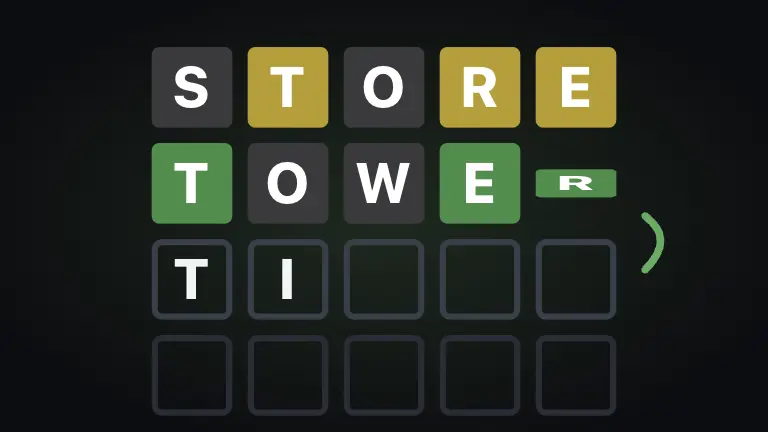
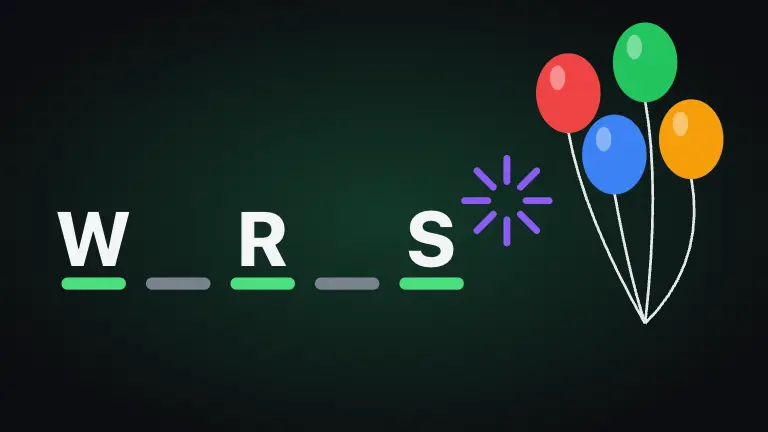
- Five Letters: one secret five-letter word a day, six guesses. A spelling and vocabulary workout disguised as a puzzle.
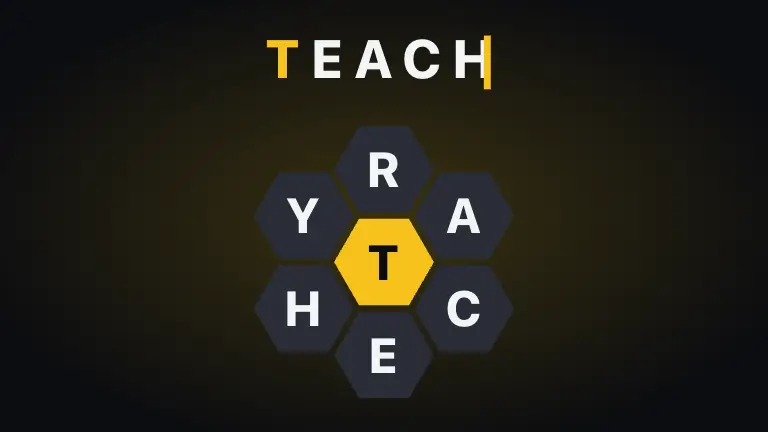
- Word Wheel: seven letters, one in the middle; spell as many words as you can.
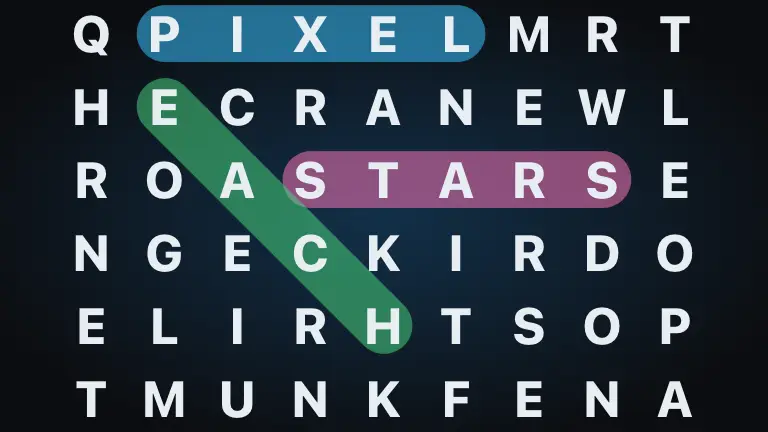
- Word Search: themed grids of hidden words across, down, diagonal and backwards.
- Hangman: guess the hidden word a letter at a time before your balloons run out.
- Mini Cross and Scramble: a pocket crossword and an unscramble with a punchline.
Logic and math
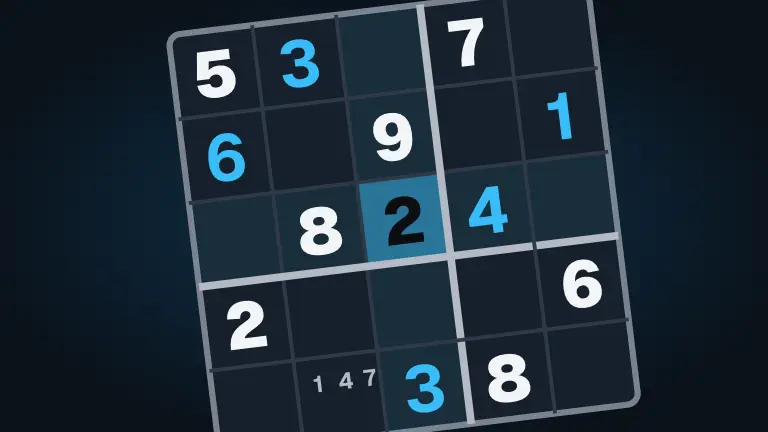
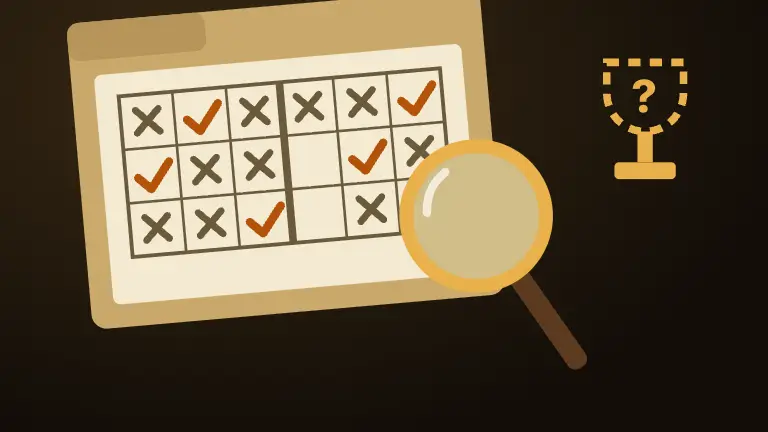
- Sudoku: four difficulties a day, with pencil marks and hints.
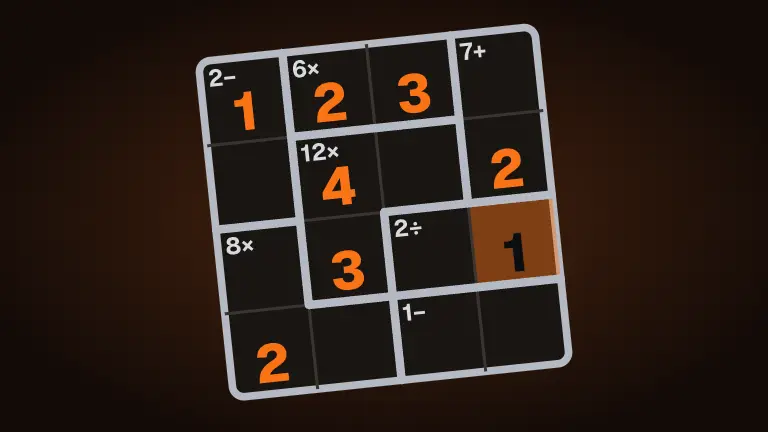
- Cage Math: fill the grid so no digit repeats and every cage hits its target. A daily board at every size from 4x4 to 7x7, so it scales from warm-up to hard.
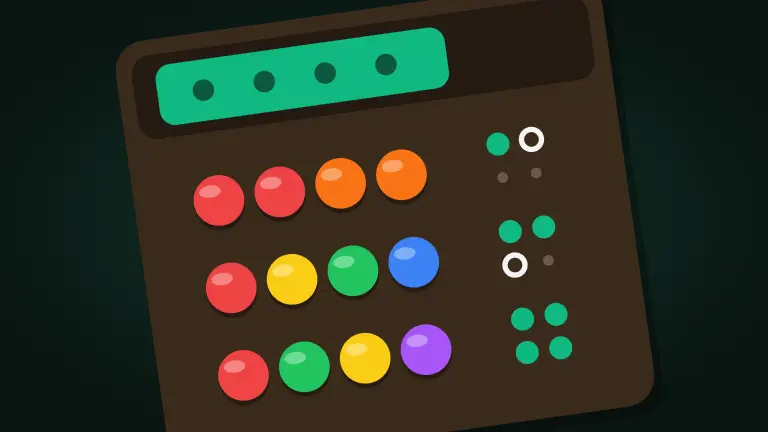
- Code Breaker: crack the hidden color code from the key pegs. Pure deduction.
- Whodunit: read the clues, fill in the deduction grid and name the culprit, where and with what.
- Equate: guess the hidden equation in six tries; every guess has to add up.
- Tangram: seven pieces, one silhouette. Rotate, flip and fit them into the shape.
Geography and general knowledge
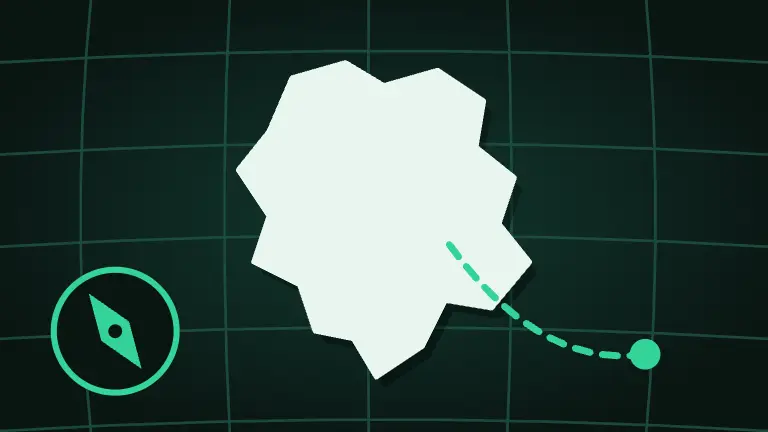
- Outline: name the country from its outline in six guesses. Each miss tells you how far off you were, which way, and how close. Surprisingly good for learning a map.
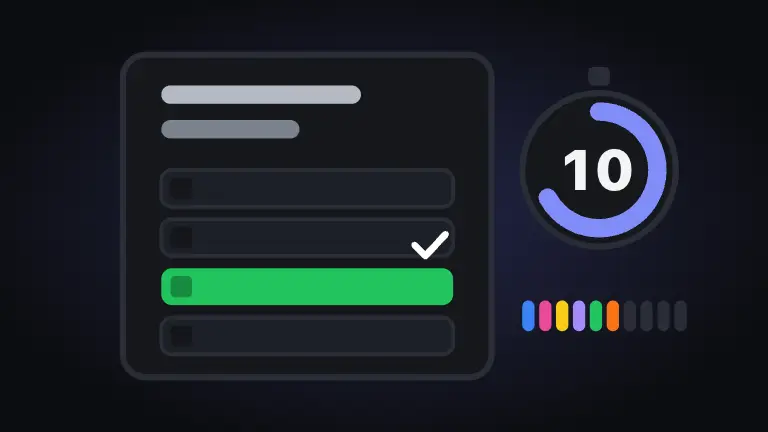
- Daily Ten: ten trivia questions a day, the same for everyone, so a class can compare scores.
- Chess Puzzles: find the winning move; a puzzle of the day plus easier and harder ones.
Typing and quick thinking
- Type Race: type the passage to drive your car, racing three computer cars and the ghost of your own best run. Real typing practice.
- Brain Gym: five one-minute drills for speed, memory, math and focus, adding up to one daily score.
- Math Duel: head-to-head mental math against the computer. Answer first to win the point.
History and running a business
Two longer solo games have a bit of history and economics in them, for a free period rather than a two-minute gap:
- Sundown Trail: lead five travelers west by covered wagon. Outfit the wagon, ford the rivers and keep everyone fed. There is a new Daily Trail too.
- Fresh Squeeze: run a lemonade stand. Read the forecast, buy supplies, tune the recipe and the price, and see what sells.
Picks for the last five minutes of class
- One round of Hangman or Word Search: quick, quiet and easy to drop when the bell goes.
- A 4x4 Cage Math or a small Sudoku for anyone who likes numbers.
- Outline, one country at a time, for the geography fans.
- A level of Crate Push or Traffic Jam for the planners. Each level is short and has a clear finish.
- One drill of Brain Gym: exactly a minute, then done, and a score to beat tomorrow.
For teachers
A few ideas that need nothing but a projector and a browser:
- Solve the day's Five Letters or Outline together on the board as a warm-up. The class suggests guesses and argues about the clues.
- Run Daily Ten at the start of the week and let students compare their scores; everyone gets the same ten questions on the same day.
- Use Type Race for a typing challenge, or Cage Math at the 4x4 size as a mental-math starter.
- Pick a logic puzzle like Queens Court and talk through the reasoning out loud. It is a good way to show what step-by-step deduction looks like.
None of these need students to sign up: solo games and the daily puzzles play with no account. Playing with or against other people does need a free player, and Knockout is for people 13 and older.
The rules come first
Schools filter websites for their own reasons, and that is their call. If a site, including this one, is blocked on your school's network or device, please do not try to get around it; ask your teacher or the school's IT staff instead. And keep games for free time. A puzzle after you have finished your work is a reward; a puzzle instead of your work is a problem.
If you play on a school Chromebook, Games that run well on a Chromebook, in a browser tab has the games that run best on modest hardware. For more short puzzles, see Two-minute brain games for a quick mental reset.