Games to play with long-distance friends and on a video call
Updated · 5 min read
When friends move away, the conversations get shorter and further apart. A game gives you a reason to show up and something to talk about besides how busy everyone is. The trick is matching the game to how your group actually lives: some friends can meet for a call once a week, others can only spare two minutes between meetings. This guide covers both.
Two ways to play apart
There are two kinds of long-distance play, and most groups end up using both.
- Live: everyone is online at once, usually on a call, and a game takes 10 to 60 minutes.
- A turn a day: everyone plays when they can. In Create a Game, pick A turn a day and choose 12 hours, a day or three days a move. Each player gets an alert when it's their turn, and if someone runs out of time, the computer plays that turn for them.
Live games are for catching up. Turn-a-day games are for staying in touch between catch-ups. A word game with a sibling that runs all month can do as much for a friendship as a long call.
Setting up a call night
You can use any video call you already have, with the game open in a browser tab or on a phone beside it. Or skip the separate call: a party on Knockout has its own voice chat, so the group can talk while the leader picks games and everyone gets a one-tap Join. Inside a game room, one tap switches between the party's voice and the room's own.
- Start a party from the Party tab and invite friends with a link, a code or from your friends list.
- When a party ends, its people and chat are kept as a group in Friends, so next week you can start the same party again in one go.
- On a laptop, a game in one window and your call in another works well. On a phone, use the built-in voice so you do not have to switch back and forth.
The best live games for a video call
On a call, pick games where talking is part of the play. These all work well when you can hear each other but cannot see each other's screens.


- One Clue is co-op for three to seven: everyone writes one clue for the guesser, and matching clues cancel out. Gentle, clever and good for mixed groups.
- On the Dial gives one player a hidden target on a spectrum, like hot to cold, and a single clue. The group argues about where it lands. The arguing is the game.
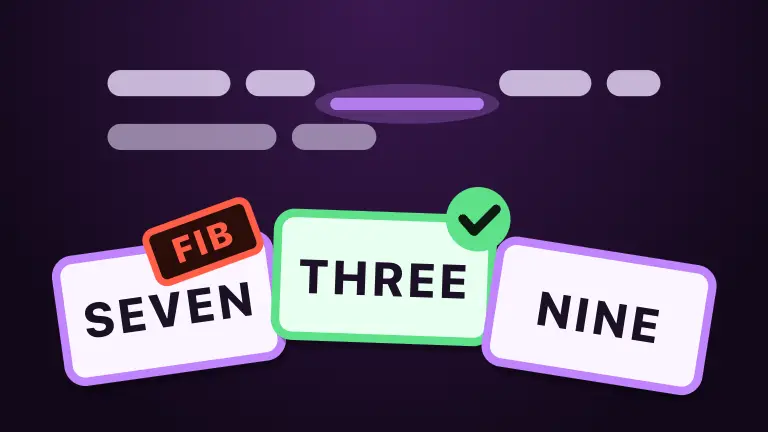
- Fib Finder asks everyone to write a fake answer to a strange-but-true fact, then find the real one. You learn a lot about how your friends think.
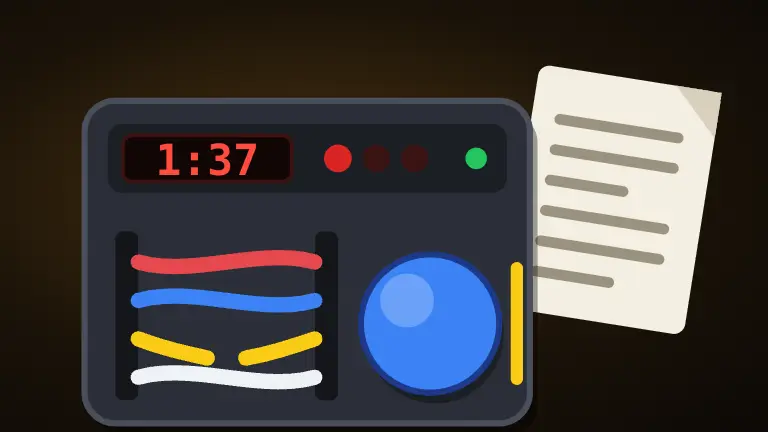
- Defuse gives one player the bomb and everyone else the manual, which is new every game. It only works if you talk, which makes it perfect for a call.
For pairs, Co-Pilot is a lovely two-player co-op: land a plane together, one die at a time, planning out loud and then going silent. Heist does the same for two to four, with each player running a different job on their own phone.
Quick games when you only have twenty minutes
- Drop Four: line up four discs before your friend does. Two minutes a game, endless rematches.
- Bluff Dice: everyone rolls in secret and bids on the whole table. Call a liar and one of you loses a die.
- Category Rush: one letter, twelve categories, a ticking clock. Unique answers score.
- Trivia Night: a live quiz where everyone answers on their own device and climbs the leaderboard.
The best games to play a turn a day
Turn-a-day games suit friends in different time zones, new parents, shift workers and anyone whose evenings are unpredictable. Your turns shows every game you have going with the time left on each, and a Nudge button for the friend who has gone quiet.


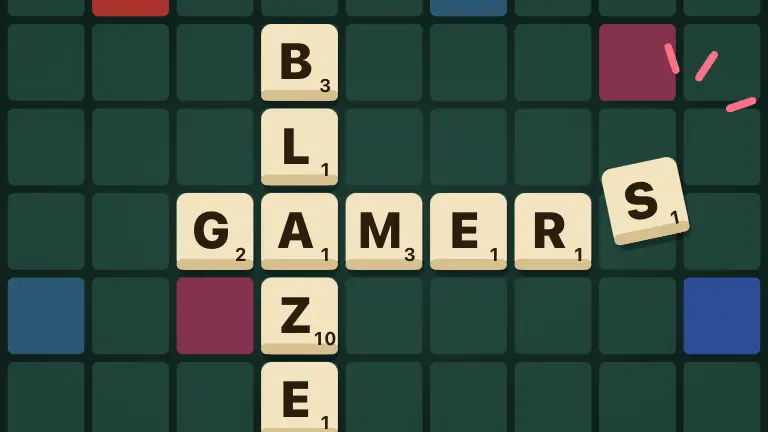
- Word Tiles: seven tiles, one board, bonus squares. Play a word and come back when it's your turn. The classic way to keep in touch.
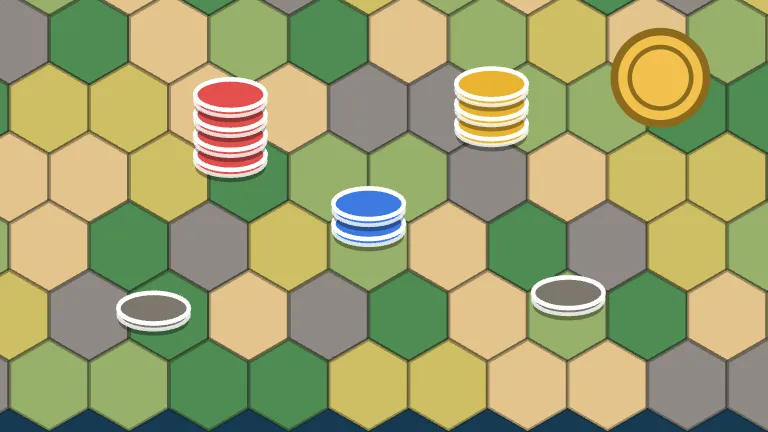
- Tessera: tribes on a small map, built for one hand on a phone. Every move is a small decision, which makes it ideal for a spare minute.
- Rise and Ruin: a map that is always a size too small. Conquer regions, then let your tired empire fade and rise again with a new people.
- Tumbletown: roll the dice and every business whose number comes up pays out. Light and friendly for two to five.
- Flintlands and Tin Brigade are deeper picks for groups that enjoy a long game: a tribe to feed and grow, or a toy army capturing cities for income.
Make it a habit
Long-distance friendships survive on rhythm more than on big plans. A few ideas that groups use:
- A standing night. The same evening every week or every other week, with a party already set up as a group so starting takes one tap.
- A shared daily puzzle. Everyone plays the same Five Letters or Four Groups each day and posts their result in the group chat. See Daily word and logic puzzles worth keeping a streak for.
- One long game always going. A turn-a-day board game in the background means there is always something to say.
- Rotate the picker. Each week someone different chooses the game, so nobody is stuck playing only their friend's favorite.
Time zones and odd numbers
If your group spans many time zones, set turn-a-day games to three days a move and let the alerts do the scheduling. For live play, find the one hour that overlaps and protect it. When someone cannot make it, do not cancel: fill their seat with a computer player at the level that fits the table, and pick up where you left off next time.
Odd numbers are not a problem either. Many games here seat anywhere from two to eight, and the ones that need exact numbers, like partnership card games, take bots in any open seat. Three friends can still play Spades with a computer partner.
What friends need
Your friends need a browser and the link you send. Games run on phones, computers and tablets, so it does not matter who has what. Sign in on each device with your username and PIN or password and your games, friends and stats come along. If you want to keep track of who is winning the long war, your stats keep games played, wins and streaks.
Pick one live game for your next call and one turn-a-day game to start tonight. For more ideas by group size and mood, see The best free online games to play with friends.